Eastern Red Columbine
Aquilegia canadensis
Species Identification
Information needed to identify the plant in the field
Native-MIFlora:
Native
Duration:
perennial
Height:
1'-3'
Stature:
Waist
Bloom Color:
Red-Yellow
Compact Bloom Range:
MAY
Light:
P, Sh
Moisture:
D, M, Ms
Michigan Flora Description:
Generally associated with deciduous or mixed forests and thickets, but usually at borders or clearings, river banks, roadsides, or excavations; also frequent on gravelly shores, ridges, and banks; occasionally in swamps. Sometimes abundant for a few years on a recent excavation or open sand or gravel bank. This is one of the few plants in the local flora that is pollinated by hummingbirds, as one would expect from a red flower with long nectar-filled spurs.
Germination Ecology / Real-World Behavior:(ⓘ Prompt)
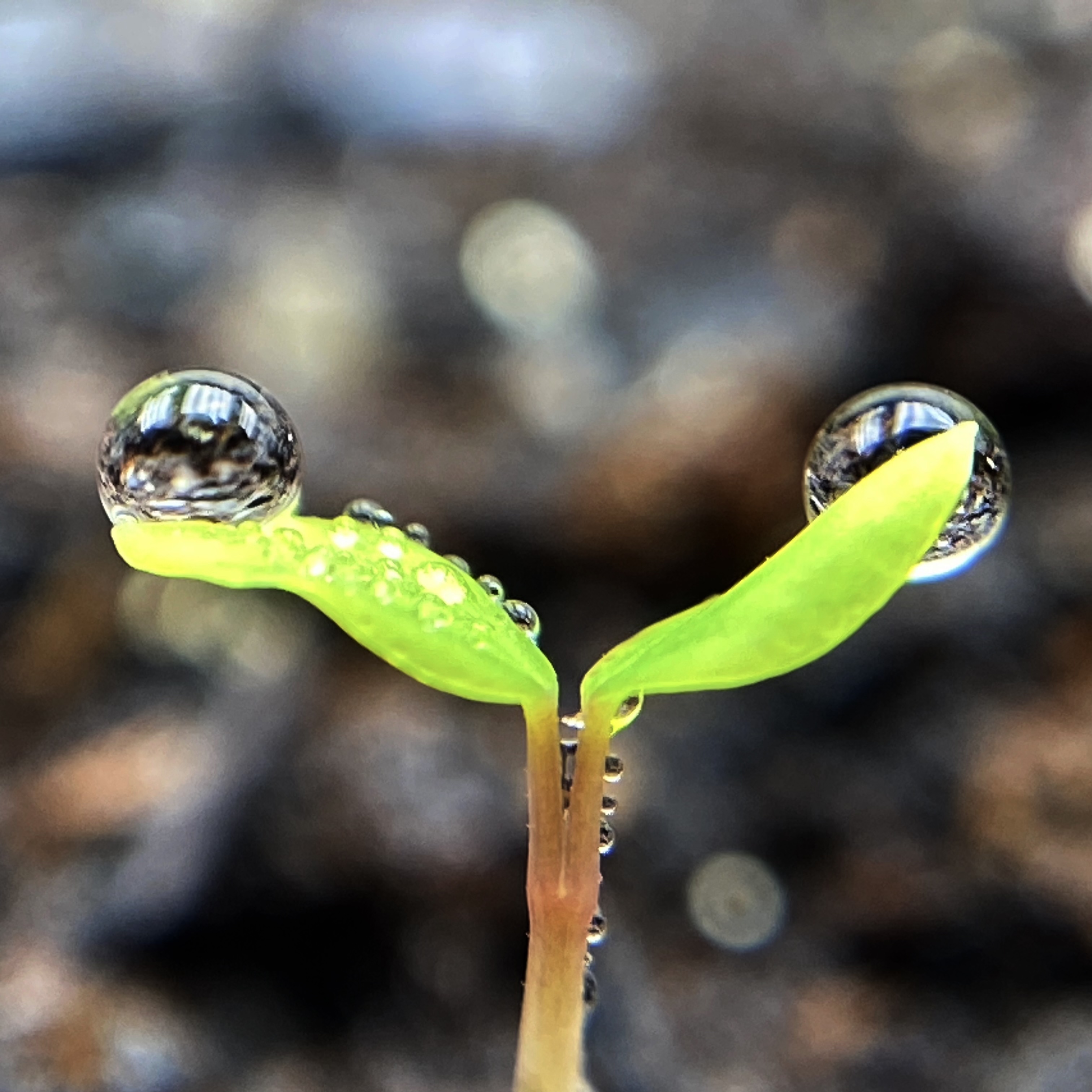
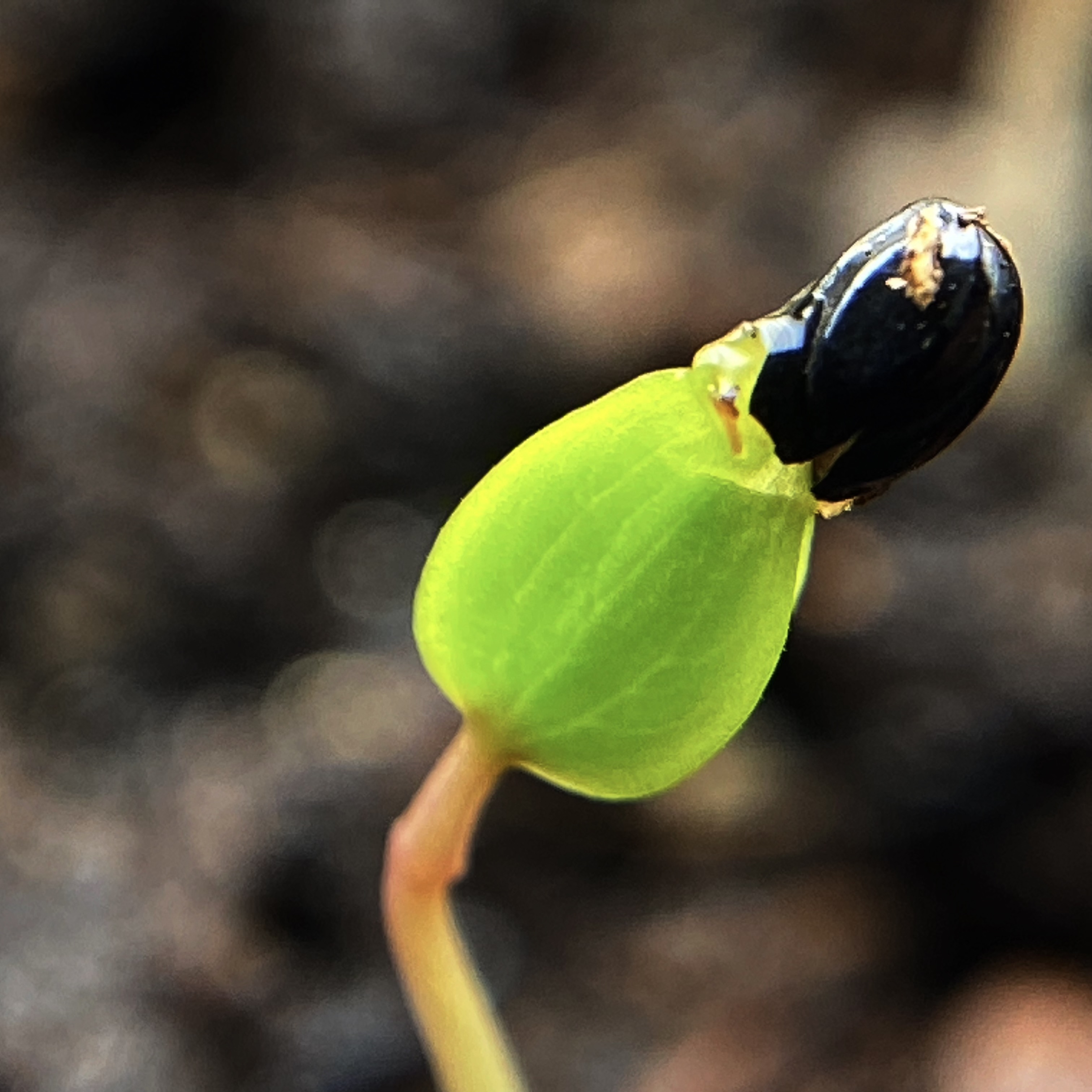
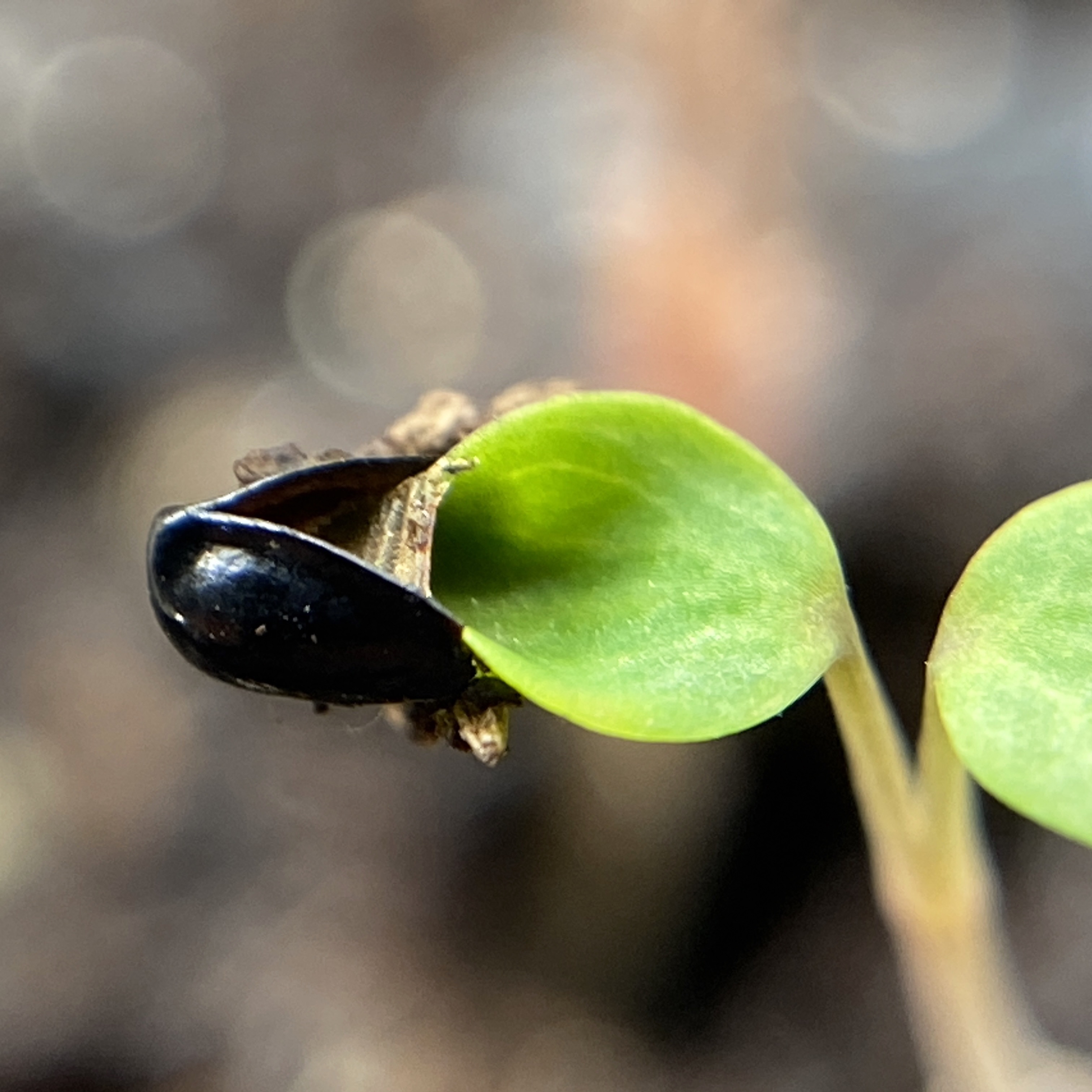
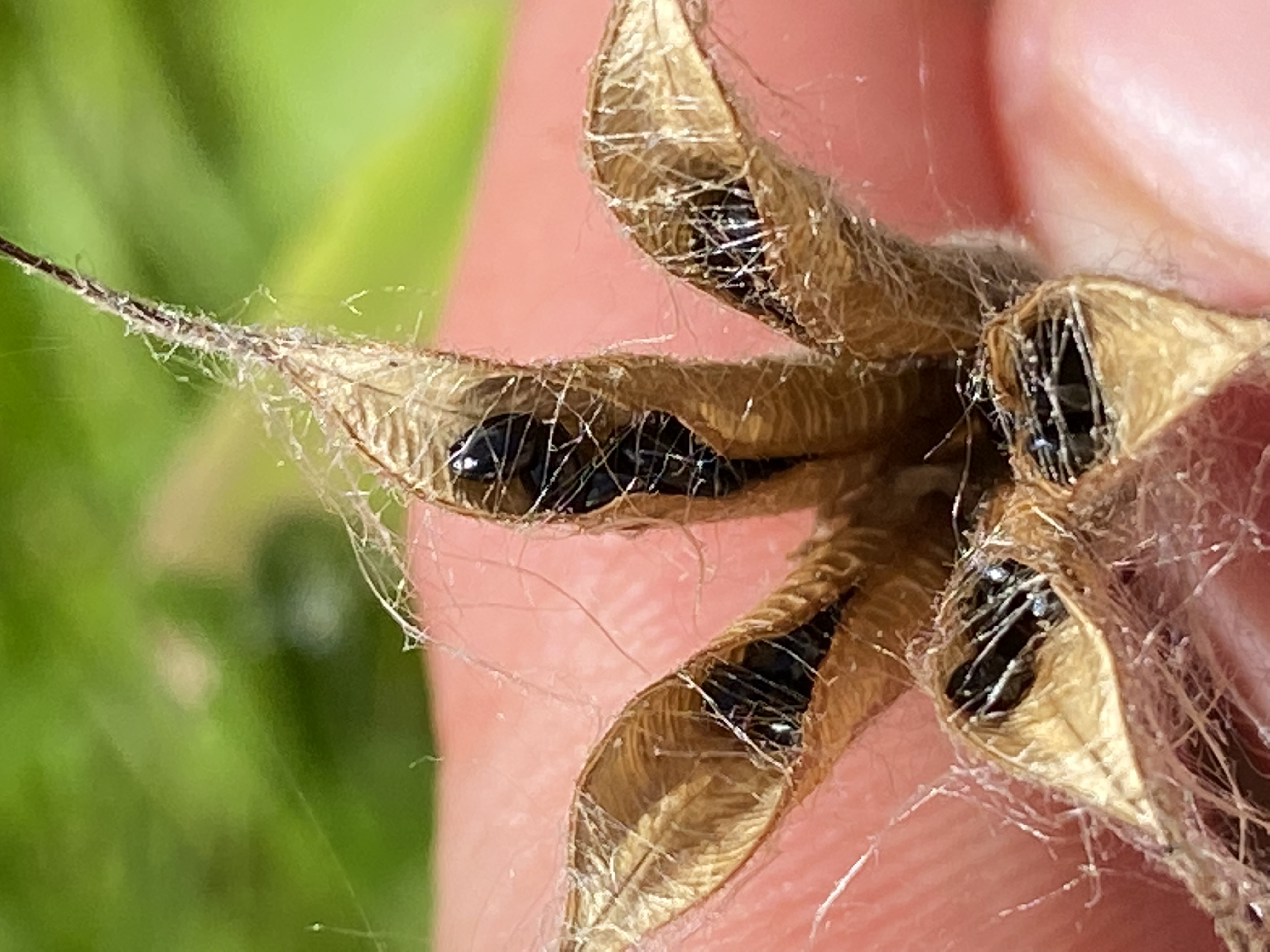
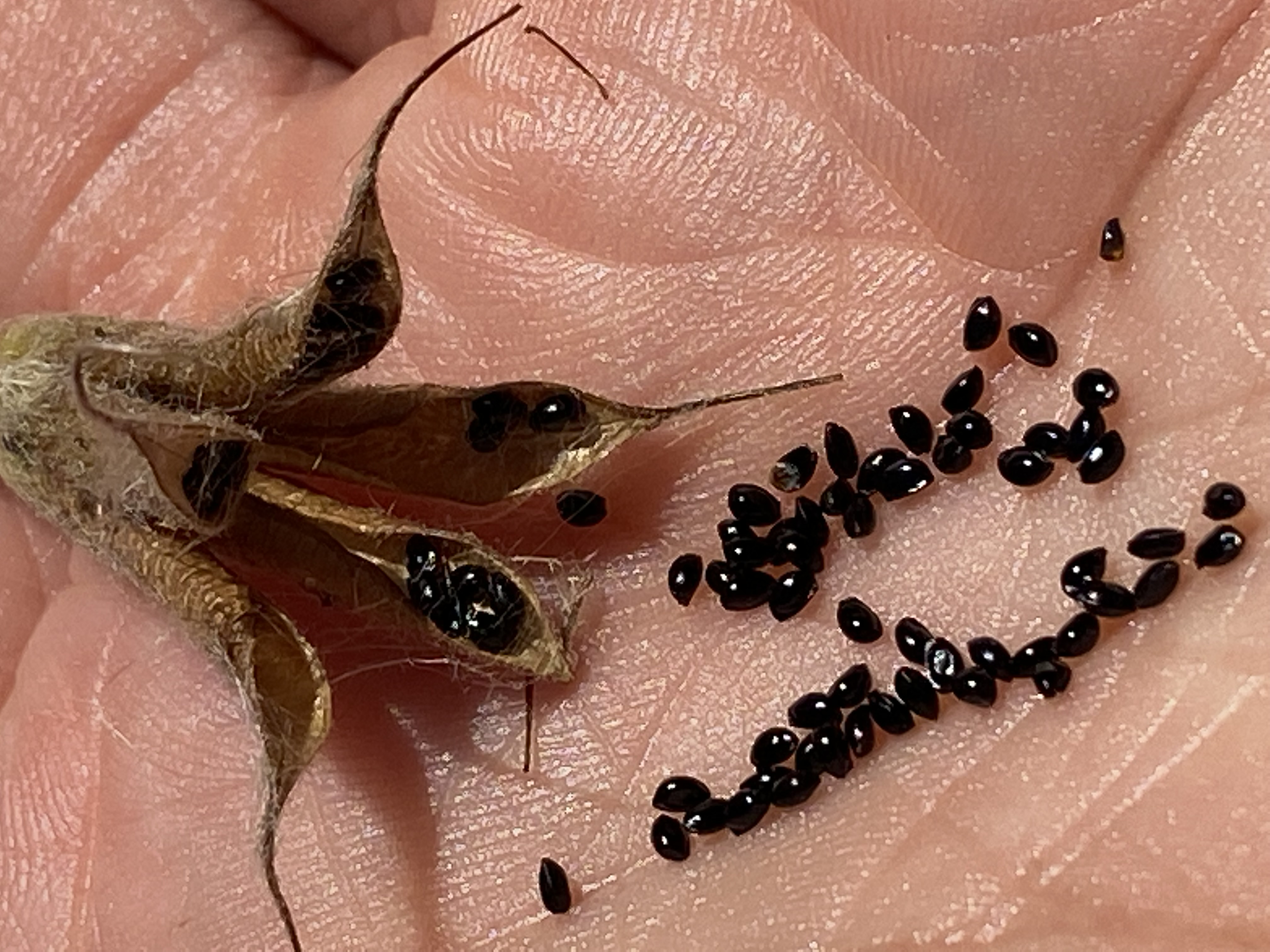
Wild columbine seeds disperse in late summer when follicles (elongated seed pods) split open to release shiny black seeds that can bounce on hard surfaces, helping with distribution. The seeds have dormancy that requires 60 days of cold, moist conditions (stratification) over winter to break. Seeds naturally germinate in spring after experiencing winter's cold temperatures. In cultivation, seeds sown in fall after hard frost will stratify naturally under snow and emerge in late spring, typically early May in northern regions.
Based on species patterns: Aquilegia canadensis seeds disperse in mid to late summer from distinctive follicles that split open when mature. Based on genus patterns: Seeds typically exhibit physiological dormancy requiring cold-moist stratification over winter, with germination occurring in early spring when soil temperatures warm and moisture is adequate. Based on family patterns: Like many Ranunculaceae, seeds may have variable dormancy depths, with some germinating the first spring after dispersal while others may remain dormant for additional seasons. Based on general practice: Natural germination is typically most successful in spring following snowmelt when temperature fluctuations and consistent moisture provide optimal conditions.
Habitat Notes:(ⓘ Prompt)
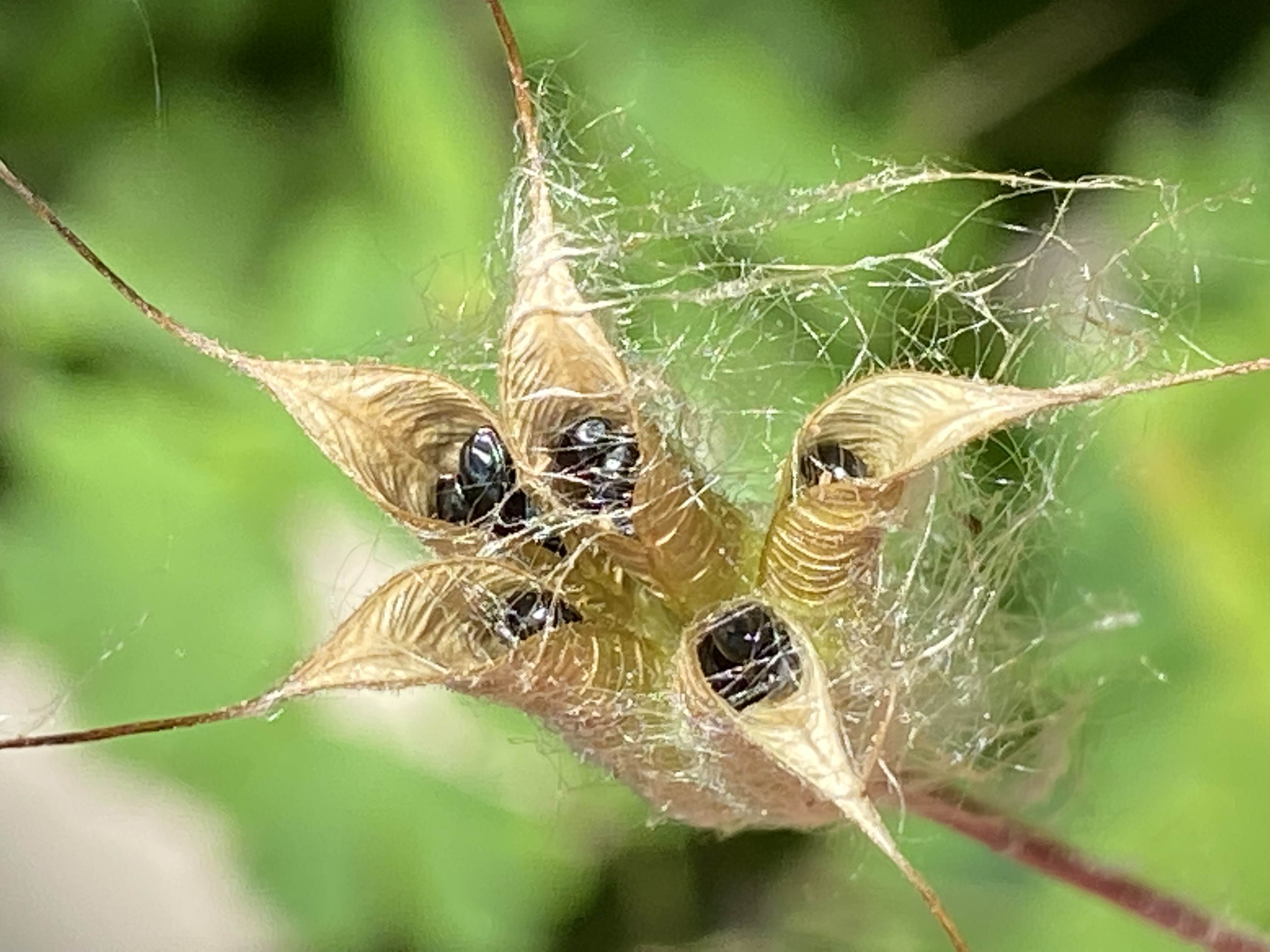
Wild columbine grows in deciduous or mixed forests and thickets, but typically at borders or clearings rather than deep shade. It's commonly found along river banks, roadsides, and excavations, as well as on gravelly shores, ridges, and banks. The plant sometimes becomes abundant for a few years on recent excavations or open sand or gravel banks. Wild columbine is one of the few local plants pollinated by hummingbirds, attracted to its distinctive red flowers with long nectar-filled spurs. The seeds develop in follicles (elongated seed pods) that split open like beaks when ripe, releasing oil-black seeds.
Wild columbine also thrives on cliffs, rocky slopes, talus areas, and limestone glades. In Illinois, it's found in sandy savannas, wooded bluffs, and even fens and bogs, showing its adaptability to diverse moisture conditions. The plant benefits from occasional wildfires and disturbances in wooded areas. Seeds are described as small (1.5-1.8mm), smooth, and shiny black - they can actually bounce on hard soil surfaces, which helps with their natural distribution beyond just the follicle splitting open.
Based on species patterns: Wild columbine typically grows in rocky woodlands, cliff faces, and open slopes with well-drained soils, often in partial shade to full sun. Based on genus patterns: Seeds are small, black, and shiny, contained in follicles (elongated seed pods) that split open when mature. The follicles bend downward and open at the top, allowing seeds to shake out gradually when disturbed by wind or animals. Based on general practice: This gravity and wind-assisted dispersal mechanism means seeds typically fall close to the parent plant, creating local colonies over time.
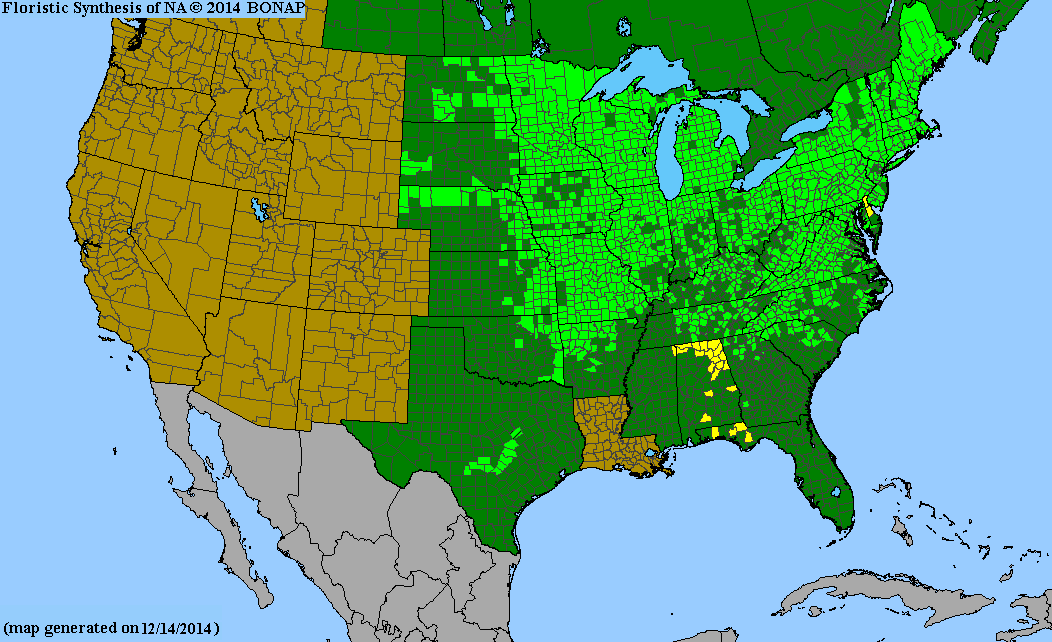
BONAP Range Map:
SE Michigan Monthly Observations:
Previously Known As:
Aquilegia australis
Common Names:
Wild Columbine, Canadian Columbine, Red Columbine, Eastern Red Columbine, Canada Columbine, Honeysuckle, Rock Bells, Meeting Houses, Jack-in-Trousers
Coefficient of Conservatism (C):
5.0
— Prefers natural areas
This plant does best in natural areas but can handle some changes to its environment. Finding it suggests the habitat is in decent shape.
Explained
Coefficient of Wetness (CW):
3.0
— Prefers dry conditions
This plant usually grows in well-drained, drier upland areas and may struggle in wet soils.
Explained
Similar Species / Distinguishing Features:(ⓘ Prompt)
**Native** — *Thalictrum dioicum* (Early Meadow Rue): Leaves also compound in groups of 3 with rounded lobes, but leaflets are much smaller (less than 1 inch long vs. up to 3 inches), more finely divided into 3s or 5s, and have longer stalks; flowers are completely different (small, greenish, in clusters vs. large red and yellow spurred flowers).
**Horticultural** — *Aquilegia vulgaris* (European Columbine): Flowers have spreading nectar spurs (vs. erect parallel spurs) and weakly protruding stamens (vs. strongly hanging yellow stamens); flowers are typically blue, violet, pink, or white rather than red and yellow; nectar spurs are shorter.
**Horticultural** — Garden columbine hybrids and cultivars: Often have different flower colors including pure pink, blue, purple, or white; may have double flowers or different spur arrangements; typically derived from *A. vulgaris* parentage so share the spreading spur characteristic.
**Horticultural** — *Aquilegia vulgaris* (European Columbine): Flowers have spreading nectar spurs (vs. erect parallel spurs) and weakly protruding stamens (vs. strongly hanging yellow stamens); flowers are typically blue, violet, pink, or white rather than red and yellow; nectar spurs are shorter.
**Horticultural** — Garden columbine hybrids and cultivars: Often have different flower colors including pure pink, blue, purple, or white; may have double flowers or different spur arrangements; typically derived from *A. vulgaris* parentage so share the spreading spur characteristic.
• Based on genus patterns:
• Native — Aquilegia formosa (western columbine) has red and yellow flowers versus the red and yellow of A. canadensis, but formosa is primarily western North America and unlikely in Michigan.
• Native — Aquilegia brevistyla (small-flowered columbine) has blue-purple flowers and shorter spurs, but is primarily northern/western and rare in Michigan.
• Horticultural — Aquilegia vulgaris (European columbine) is commonly planted and has various colors including blue, purple, and white with shorter, more curved spurs than the longer, straighter spurs of A. canadensis.
• Horticultural — Aquilegia caerulea (Rocky Mountain columbine) has blue and white flowers with very long spurs and is sometimes planted in gardens.
• Horticultural — Various hybrid columbines (Aquilegia × hybrida) come in many color combinations and may have different spur lengths and flower orientations compared to the nodding flowers of A. canadensis.
• Native — Aquilegia formosa (western columbine) has red and yellow flowers versus the red and yellow of A. canadensis, but formosa is primarily western North America and unlikely in Michigan.
• Native — Aquilegia brevistyla (small-flowered columbine) has blue-purple flowers and shorter spurs, but is primarily northern/western and rare in Michigan.
• Horticultural — Aquilegia vulgaris (European columbine) is commonly planted and has various colors including blue, purple, and white with shorter, more curved spurs than the longer, straighter spurs of A. canadensis.
• Horticultural — Aquilegia caerulea (Rocky Mountain columbine) has blue and white flowers with very long spurs and is sometimes planted in gardens.
• Horticultural — Various hybrid columbines (Aquilegia × hybrida) come in many color combinations and may have different spur lengths and flower orientations compared to the nodding flowers of A. canadensis.
Wikipedia Summary:
Aquilegia canadensis (Canadian or Canada columbine, eastern red columbine, wild columbine) is an herbaceous perennial native to woodland and rocky slopes in eastern North America, prized for its red and yellow flowers. It readily hybridizes with other species in the genus Aquilegia.
Cloudinary Images - Identification
10 images