Wild Petunia
Ruellia humilis
Species Identification
Information needed to identify the plant in the field
Native-MIFlora:
Native
Duration:
perennial
Height:
1'
Stature:
Knee
Bloom Color:
Purple
Compact Bloom Range:
JUN - AUG
Light:
Sn
Moisture:
D, M
Michigan Flora Description:
Unlike R. strepens , a species of dry open ground, including prairies. This is a showy, summer blooming species, now popular in cultivation, but barely entering Michigan from the south and west as a native plant, although collected by the First Survey in 1838 in Cass Co. The Wayne Co. record ( Farwell 8963 in 1931 ) is seemingly beyond the native range, and lacks habitat, but the locality was a station along a railway, so could have been an inadvertent introduction, or even an escape from cultivation, but surely not a native occurrence.
Germination Ecology / Real-World Behavior:(ⓘ Prompt)
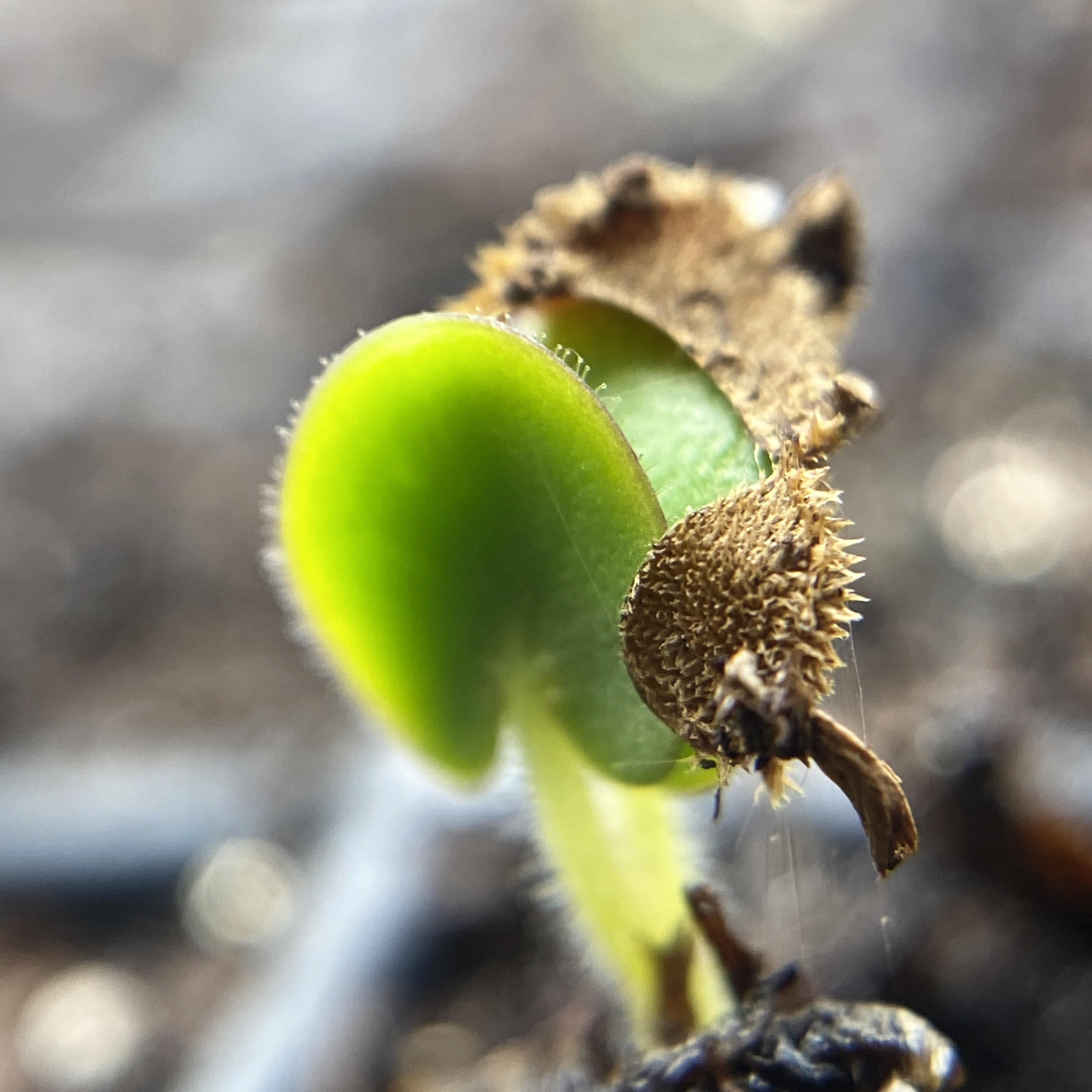
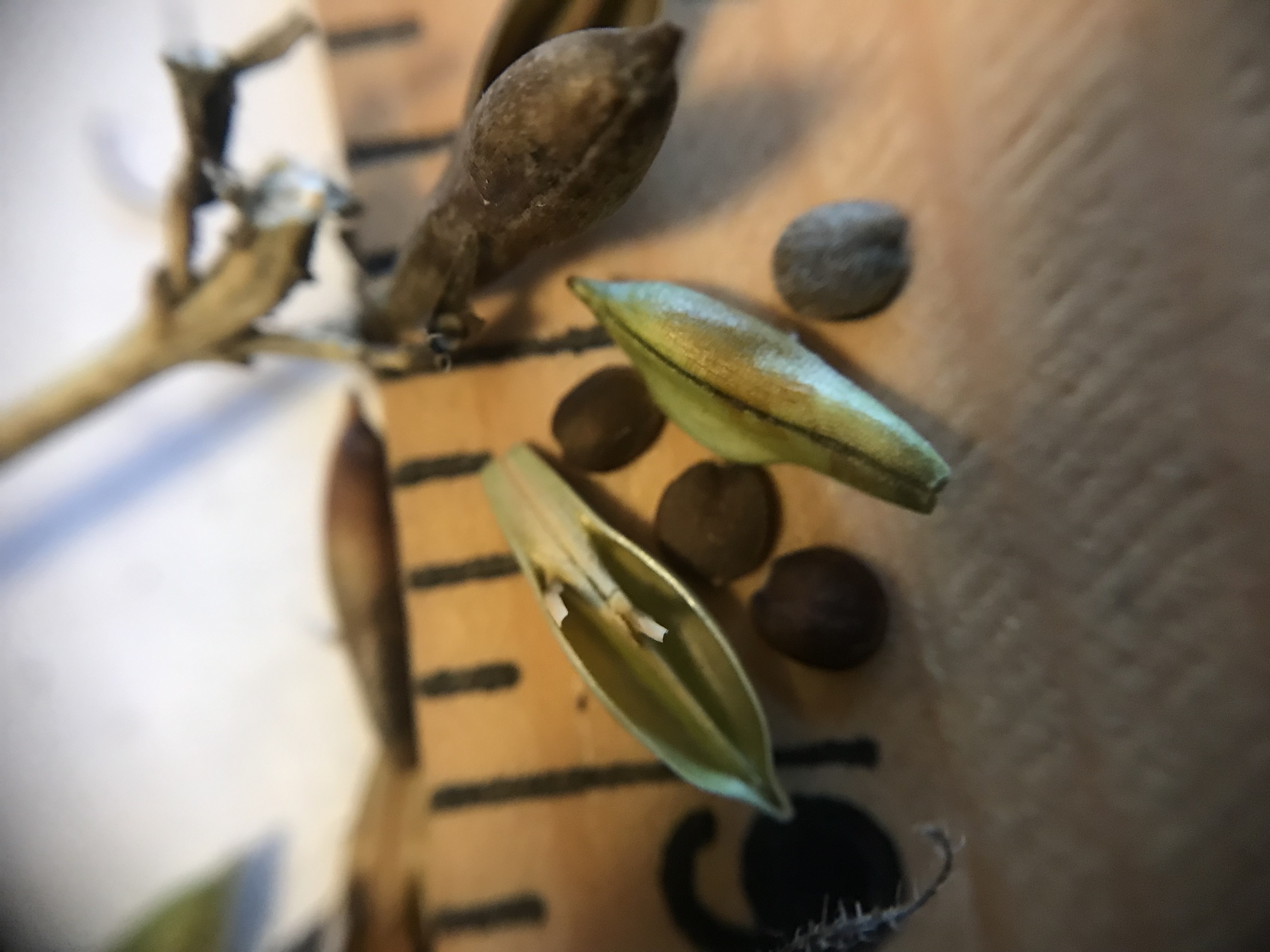
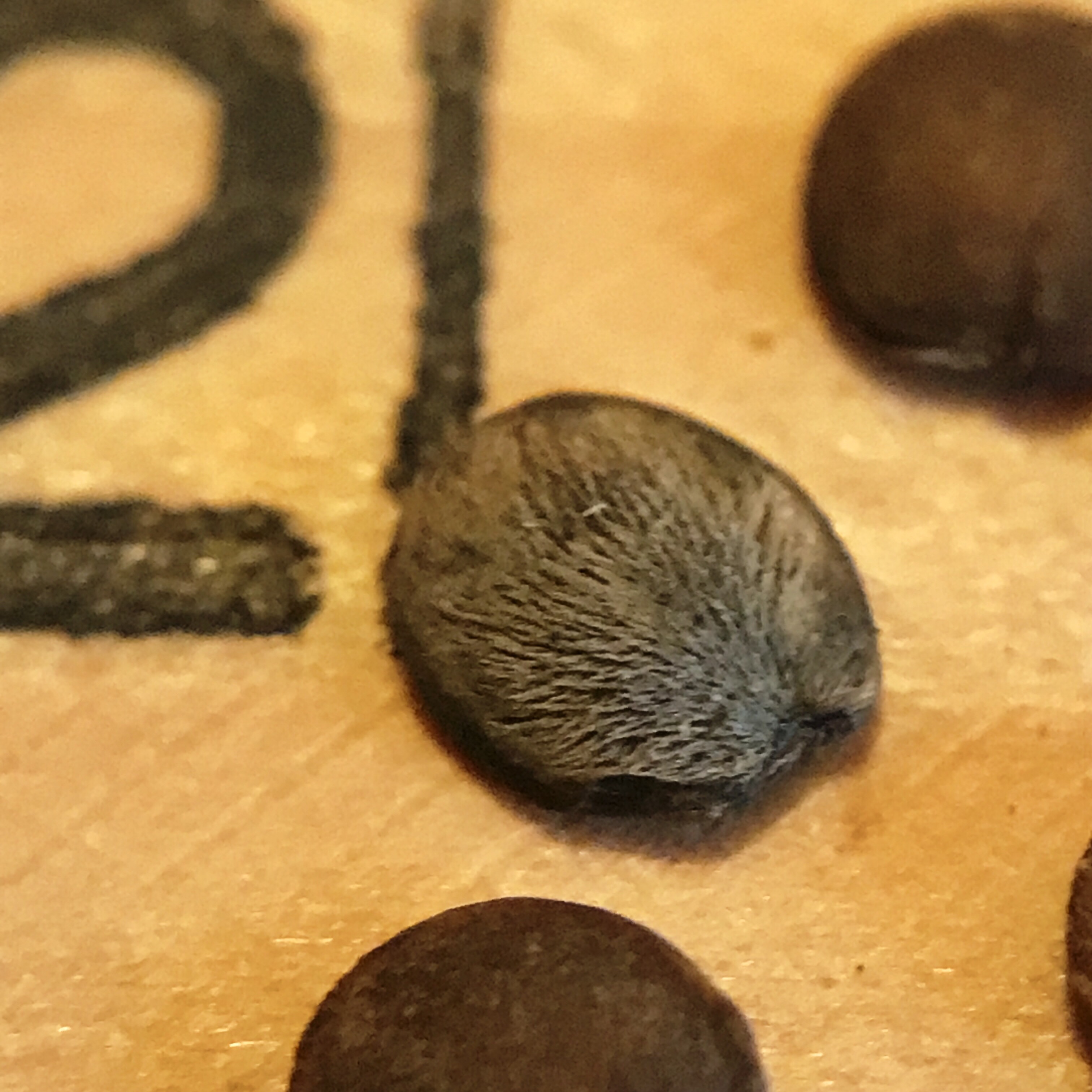
Seeds are ejected forcefully from capsules when ripe, traveling up to 10 feet from the parent plant. Seeds have fine, spiraling hairs that unwind when wet, helping to bury them in soil. The species spreads primarily by seed rather than vegetative growth, with new seedlings often appearing in spring from seeds dispersed the previous summer. Plants readily self-seed and can become established in disturbed areas or where competition from other vegetation is limited.
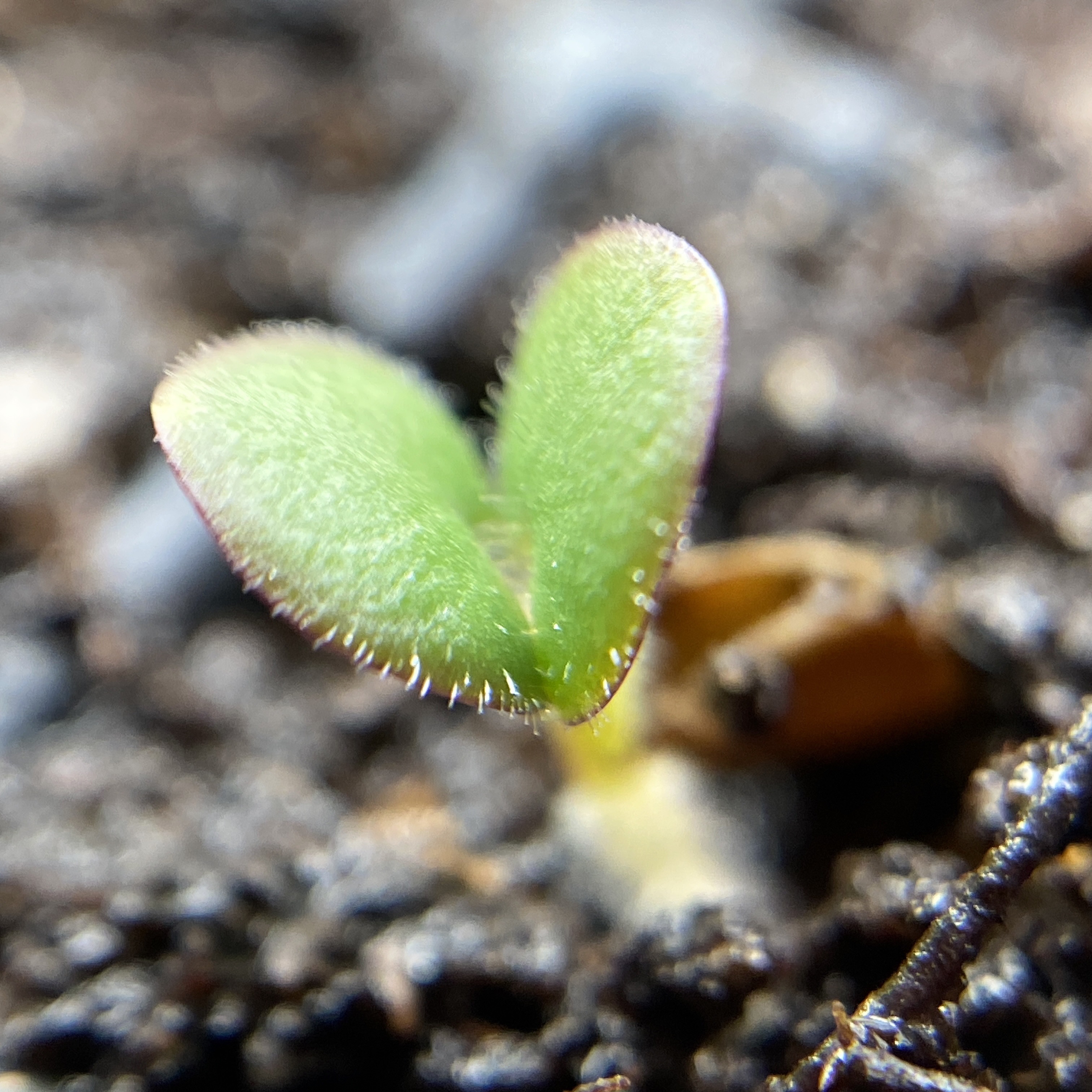
Based on genus patterns: Seeds are dispersed explosively from capsules when ripe, typically in late summer to early fall. Based on family patterns: Seeds of Acanthaceae often have little to no dormancy and can germinate quickly when conditions are favorable. Based on general practice: Germination typically occurs in spring when soil temperatures warm and moisture is adequate, though some seeds may germinate in fall if dispersed early enough before cold weather.
Habitat Notes:(ⓘ Prompt)
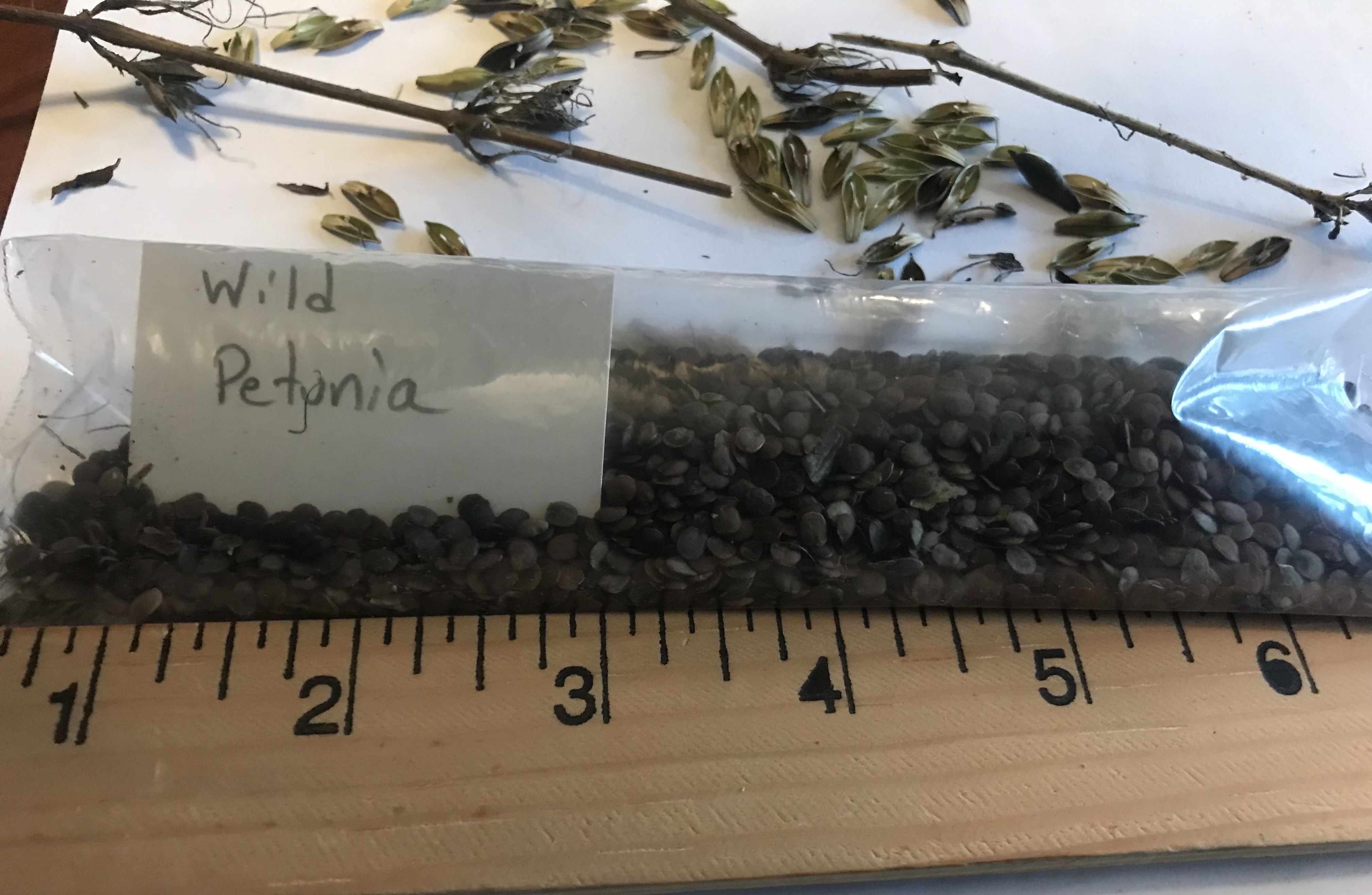
Prairie petunia is a species of dry open ground, including prairies. In Michigan, this showy summer-blooming plant barely enters from the south and west as a native, with historical records from only three counties in the southwestern part of the state. The seeds are dispersed through ballistic capsules that catapult seeds up to 30 feet away from the parent plant. The capsules turn from green to brown as they ripen, then snap open explosively to launch the flat, coin-shaped seeds in shades of brown and gray across the landscape.
Prairie petunia also thrives in mesic to dry black soil prairies, gravelly hill prairies, dry open woodlands, limestone glades, bluffs, sandy areas, and disturbed sites along roadsides and railroads. It prefers areas with poor soil and sparse vegetation, or disturbed prairie areas with richer soil, typically occurring as scattered individual plants or small colonies. The seeds have a fascinating adaptation - they're covered with fine, spiraling hairs that unwind when wet, helping to bury the seed in the soil for better establishment.
Based on species patterns: Ruellia humilis typically inhabits dry to mesic prairies, oak savannas, and open woodlands with well-drained soils. Based on genus patterns: The species produces explosive capsules that forcibly eject seeds when mature and dry, often triggered by moisture or physical disturbance. Seeds are typically dispersed in a ballistic fashion, shooting several feet from the parent plant when capsules suddenly split open. This explosive mechanism allows rapid colonization of nearby suitable habitat patches within prairie and savanna systems.
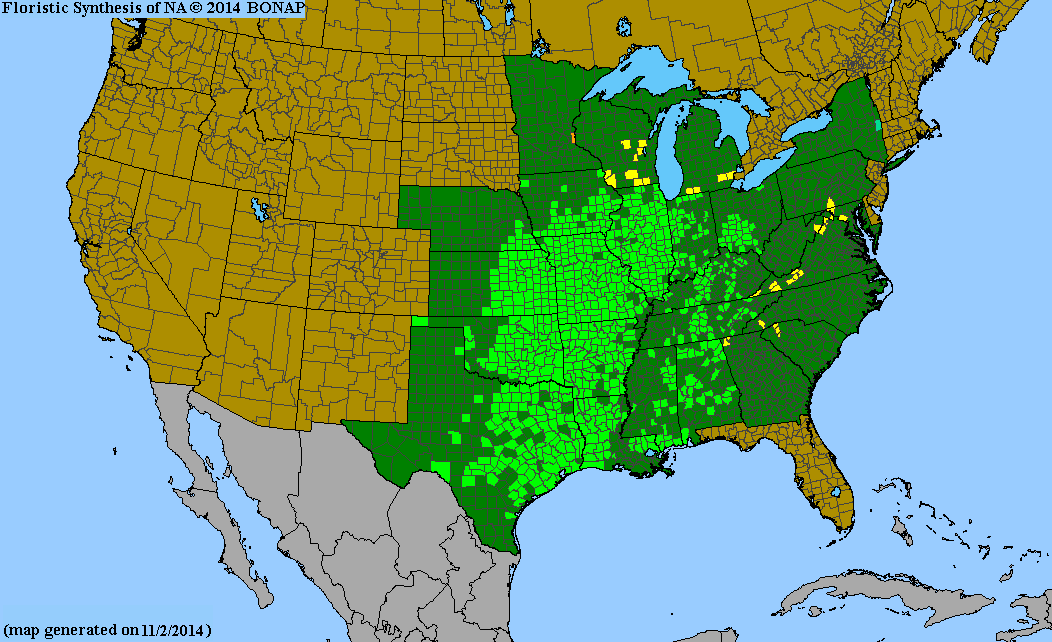
BONAP Range Map:
SE Michigan Monthly Observations:
Previously Known As:
Gymnacanthus humilis, Ruellia parviflora
Common Names:
wild petunia, hairy wild petunia, fringeleaf wild petunia, low wild petunia
Coefficient of Conservatism (C):
8.0
— Needs quality habitat
This plant is choosy about where it lives. It strongly prefers natural areas that haven't been heavily disturbed.
Explained
Coefficient of Wetness (CW):
3.0
— Prefers dry conditions
This plant usually grows in well-drained, drier upland areas and may struggle in wet soils.
Explained
Similar Species / Distinguishing Features:(ⓘ Prompt)
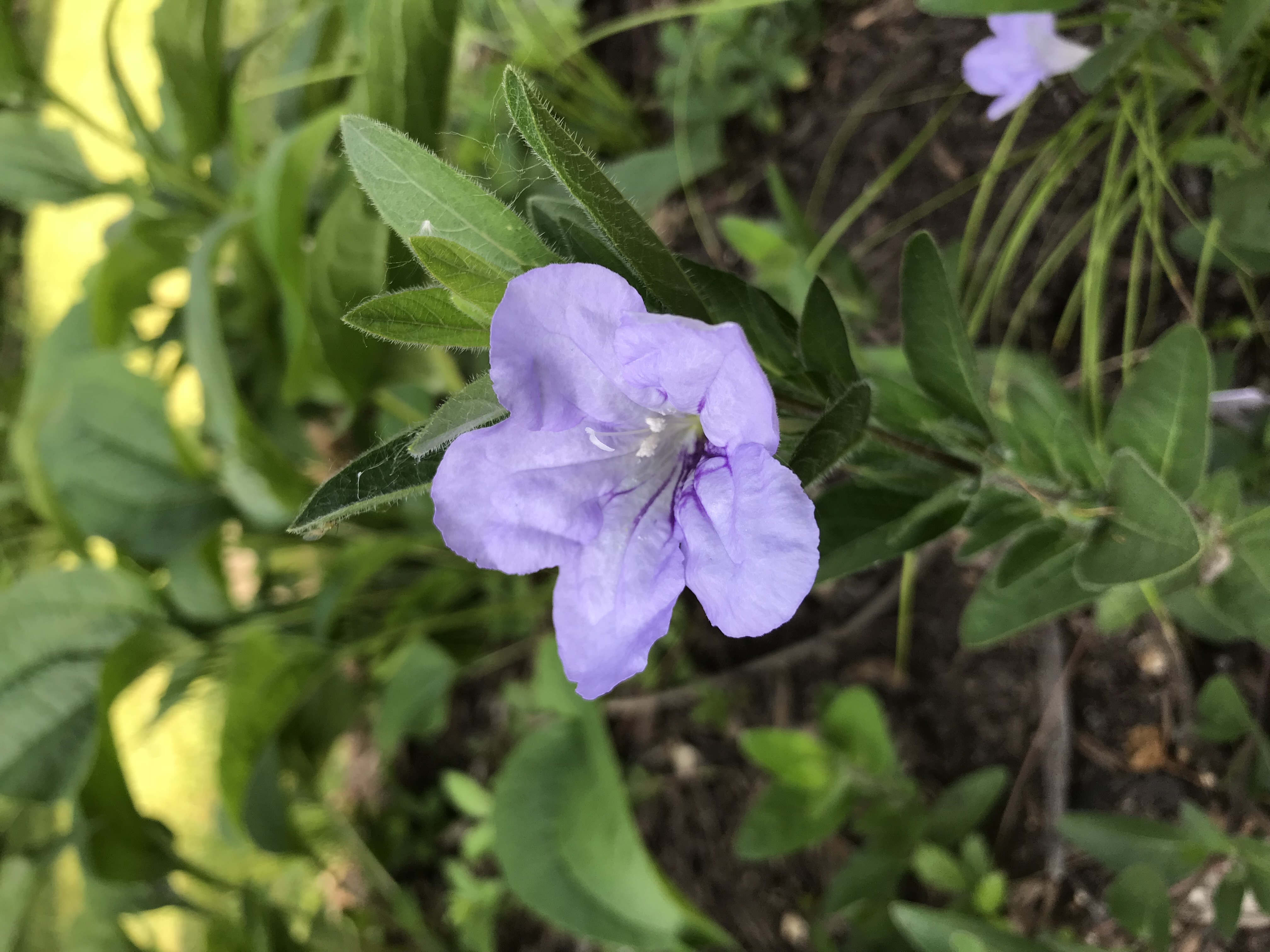
• Native — **Ruellia strepens** (Smooth Wild Petunia) grows taller (2-4 feet), has smooth or only sparsely hairy leaves, and prefers moister, shadier woodland areas rather than dry open sites.
• Native — **Phlox pilosa** (Prairie Phlox) has similar lavender flowers but with 5 distinct flat petals (not fused into a tube), opposite narrow leaves, and blooms earlier in spring.
• Horticultural — **Garden petunias** (*Petunia* species) have similar funnel-shaped flowers but are members of the nightshade family, typically have sticky rather than hairy foliage, and are annual bedding plants rather than low perennial wildflowers.
• Native — **Phlox pilosa** (Prairie Phlox) has similar lavender flowers but with 5 distinct flat petals (not fused into a tube), opposite narrow leaves, and blooms earlier in spring.
• Horticultural — **Garden petunias** (*Petunia* species) have similar funnel-shaped flowers but are members of the nightshade family, typically have sticky rather than hairy foliage, and are annual bedding plants rather than low perennial wildflowers.
• Based on genus patterns: Wild petunia (Ruellia humilis) is most commonly confused with other Ruellia species, particularly R. strepens (smooth wild petunia), which typically grows taller and has smoother stems and leaves. Based on family patterns: Other Acanthaceae family members like Justicia americana (American water-willow) differ by having distinctly two-lipped flowers and different habitat preferences. Based on general botanical patterns:
• Non-native — Garden petunias (Petunia species) may cause confusion due to the common name 'wild petunia,' but true petunias have funnel-shaped flowers that are typically much larger and showier, and belong to the nightshade family rather than Acanthaceae.
• Non-native — Garden petunias (Petunia species) may cause confusion due to the common name 'wild petunia,' but true petunias have funnel-shaped flowers that are typically much larger and showier, and belong to the nightshade family rather than Acanthaceae.
Wikipedia Summary:
Ruellia humilis (wild petunia, fringeleaf wild petunia, hairy petunia, low wild petunia) is a species of flowering plant in the Acanthaceae, the acanthus family. It is native to the eastern United States. It is grown as an ornamental plant.
Cloudinary Images - Identification
9 images